
Creating a Strong Brand Awareness Strategy: A Guide for Startups
- Sep 17, 2025
- 7 min read

As an early-stage startup founder, your to-do list is never-ending. From creating a great product to securing funding to hiring your team, each task is essential and a step towards building a strong foundation for the future. But here’s the catch - none of these tasks can guarantee a customer picking your product in the market. Don’t get us wrong, getting your first hires correct and securing adequate funding is critical, but only half the battle. What truly sets startups apart is getting people to recognize and trust your brand, and that begins with a strong brand awareness strategy.
A well-crafted brand awareness strategy helps define how your business presents itself to the right audience, fosters loyalty, streamlines future marketing efforts, and creates a competitive edge. In this blog, we’ll show you how to do just that. From strategies to metrics and successful examples, here is everything you need to know.
What Is a Brand Awareness Strategy, and Why Is It Important?
Simply put, a Brand Awareness Strategy is a plan created by startups to increase customer familiarity with the company. Think of a company like Apple. You may not use an iPhone or iPad, but you are still aware of the products due to Apple’s strong marketing strategies. Their branding strategy is not restricted to just their logo or tagline, but includes their products, how they promote them, and the consistent aesthetic that makes their brand instantly recognizable.
According to the CRO agency Invesp, 59% of consumers prefer buying from brands they already know. In fact, 77% often refer to a product by its brand name, and one in three shoppers already has a brand in mind before they even start looking. For early-stage startups, this highlights the importance of standing out from competitors. A strong brand awareness strategy not only builds credibility but also drives website traffic, generates leads, and ultimately boosts market share.
How to create Brand Awareness? A Step-by-Step Guide
How can an early-stage startup, with limited time and resources, stand out in a market crowded with new players and established competitors? The answer lies in building a smart brand awareness strategy, and here we break down its essentials.
Understanding the target audience: Understanding your audience is one of the key strategies to increase brand awareness. Startups need to go beyond surface-level demographics and thoroughly learn the motivations and challenges driving customer purchase decisions. This can be done by utilizing social listening tools and platforms, such as Reddit, where customers share their opinions about brands. With these insights, startups can craft campaigns that feel more relevant and, in turn, build lasting relationships with their audience.
Setting a consistent brand tone: A clear and consistent brand tone makes it easier for customers to recognize the brand, especially for early-stage startups. When content and visuals across platforms, whether scrolling through social media or visiting a website, are consistent, it reinforces the brand and what it stands for. This consistency helps create a seamless experience for customers across platforms and fosters a loyal community of supporters. Consider Nike as an example. Be it social media or in-store, their messaging is aspirational, reinforcing their brand identity.
Creating shareable content: Startups should focus on creating a content strategy for brand awareness. Whether it's blog posts or videos, the content should be developed in a way that customers would like to share with their family and friends. This is one of the most powerful ways to build brand awareness, as when customers naturally share a company’s content, it not only widens the reach but also builds trust and curiosity around the brand. Spotify’s annual “Wrapped” campaign is an excellent example for startups to create compelling content that can help the brand reach new customers and strengthen its brand identity.
Measuring success and optimizing campaigns: To determine if their brand awareness campaigns are driving results, startups must consistently monitor and optimize their strategies. For instance, if a startup wants to build awareness on social media, it can measure brand awareness by analyzing the reach and engagement of its content using tools from platforms like Sprout Social. These insights can then be used to refine campaigns, focus on what resonates most with customers, and eventually grow the brand presence.
How to improve Brand Awareness for Startups
Apple and Nike did more than create campaigns. They built lasting legacies by focusing on strategies that left a strong and enduring impression on consumers. While early-stage startups may not have the same resources, they can still craft brand strategies that drive recognition and loyalty. In this section, we outline the ways to increase brand awareness.
Optimizing social media profiles: By leveraging social media marketing for brand awareness, startups can enhance their visibility among customers. In fact, software platform Synup reports that 58% consumers find a new brand via social media channels, with users in the US spending an average of 2 hours and 9 minutes daily. While standing out in the market can be a challenge, it also presents an opportunity. One way to capture attention is by giving your brand a distinct personality. Duolingo does this brilliantly by capitalizing on pop culture trends on Instagram and TikTok, utilizing its mascot, “Duo,” to create entertaining content that also promotes its offerings. Another effective approach is consistency in visuals. Mailchimp, for instance, has stuck to the same logo and text style for years, making its brand instantly recognizable and easy to recall.
Building partnerships and collaborations: Collaborations and joint venture partnerships can be another powerful way for startups to enhance brand awareness. By teaming up with companies that are not direct competitors but share a similar audience, startups can tap into an existing customer base while offering added value. An example of such a collaboration is between RedBull and GoPro. Athletes sponsored by RedBull use the GoPro to create content of their sporting journeys for the social media pages of both accounts. This user-generated content helps create shareable content and effectively engage the target audience.
Engaging in PR and Media Outreach: Public Relations plays an important role in building brand awareness by creating visibility and trust through authentic storytelling. Unlike paid advertising, effective PR earns attention by sharing stories that resonate with audiences, whether through media coverage, influencer partnerships, or community engagement. When a trusted outlet highlights a startup, it not only introduces the brand to new customers but also builds credibility that advertising alone cannot achieve.
Hosting events and building a community: Hosting events, whether workshops, webinars, or community meetups, is an effective way for startups to build awareness and strengthen connections with their audience. Such events offer startups the opportunity to interact directly with potential customers, understand their needs, and make a lasting impression. Trade shows and industry gatherings are equally valuable for networking, as they allow brands to showcase their identity while engaging in meaningful conversations. Consider HubSpot’s annual conference “Inbound” as an example. It provides entrepreneurs and industry leaders a platform to network and learn from each other's experiences.
Top Brand Awareness Examples for Startups
Building brand awareness as an early-stage startup can feel overwhelming, but the right inspiration makes it easier. From Coca-Cola’s storytelling to Dropbox’s referral program, these standout brand awareness examples demonstrate strategies that companies can use to enhance visibility and drive growth.
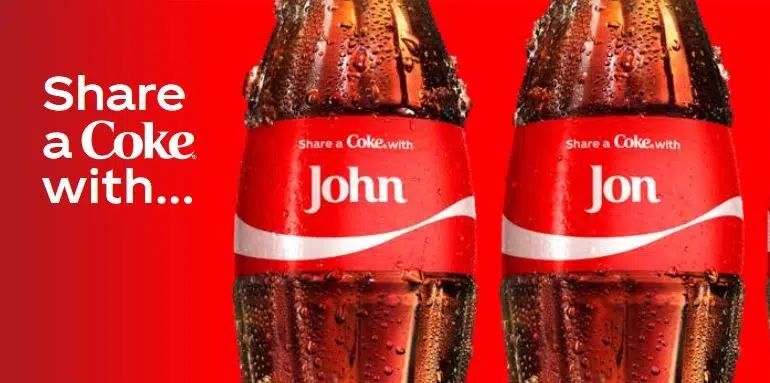
Coca-Cola: Coca-Cola did not become the world’s favorite drink by chance. What helped them reach the top was a solid brand awareness strategy backed by tactics such as personalization and community-building. Their campaign “Share a Coke” was unique and created headlines. Instead of the company's branding, each bottle featured the names of popular monikers in Australia and encouraged customers to share the bottle with their friends and family. The campaign was a huge success, with Coca-Cola selling more than 250 million bottles, with the idea being replicated in other countries, from the UK to China.
What can startups learn from this campaign? Similar to Coca-Cola, early-stage startups can personalize their campaigns to gain traction. Personalized products, messaging, and other elements help customers feel more connected to the company and increase brand recall. Startups can also learn the importance of community-building from Coca-Cola. If customers like the brand, they may naturally spread the word about the products, creating a community of loyal customers.
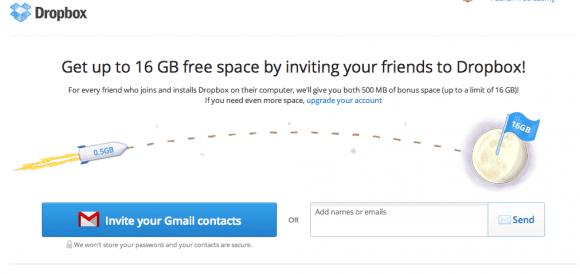
Dropbox: A referral campaign can be an excellent way for early-stage startups to engage with new customers, retain their existing buyers, and increase their brand awareness. Dropbox effectively leveraged this strategy. Through their “Refer a Friend” campaign, they incentivized their customers to spread the word regarding their services by offering free storage. By providing a valuable product and adding additional value, Dropbox was able to expand its customer base and increase brand awareness.
What startups can learn from this campaign? Referral programs offer a smart way for early-stage startups to build awareness around their products and services organically. In exchange for storage benefits, Dropbox was able to create a positive perception, engage with its customers, and raise awareness among new audiences.
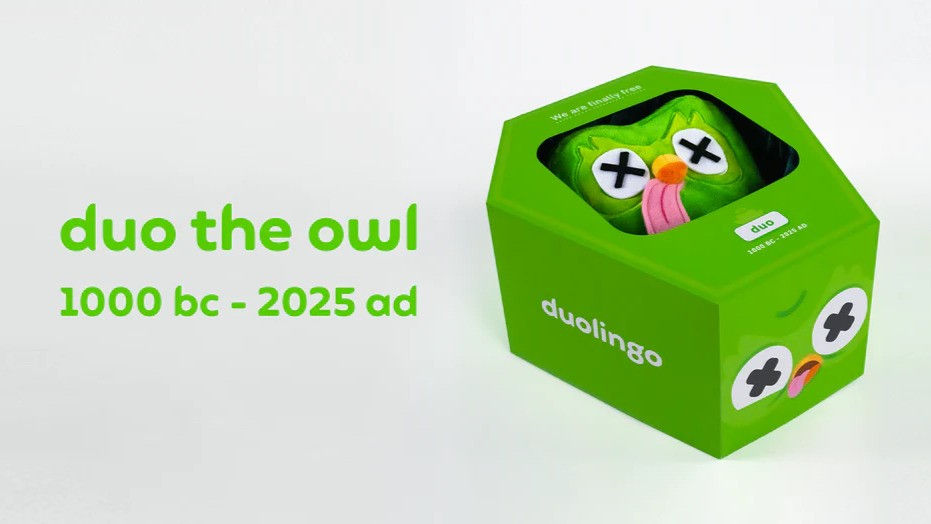
Duolingo: Duolingo isn’t just a platform for learning new languages; the company also offers masterclasses in building brand awareness. Their quirky yet highly popular campaign, “Duo is Dead,” helped the brand gain massive visibility. By leveraging social commentary and tapping into social trends, Duolingo achieved massive engagement across its app and social media channels, with its Instagram account seeing an increase of over 100,000 followers.
What startups can learn from this campaign? Duolingo’s campaign demonstrates to startups the importance of understanding their audience and creating content that is both engaging and relevant. By blending humor with product promotion, the brand stayed memorable and engaging. Another key lesson is the importance of collaboration with other accounts. Netflix and Duolingo cross-promoted their offerings, which helped boost visibility for both brands.
For an early-stage startup to succeed, just hiring the perfect team or securing funding is not enough. Making customers aware of your company and encouraging them to buy your product requires an effective brand awareness strategy. While creating a plan may seem challenging and time-consuming, by following a set template, drawing inspiration from established brands, and implementing strategies such as PR and social media optimization, startups can establish a solid foundation for future growth.
Ready to take your startup to the next level?
Contact us to see how our marketers can help your team grow.



Comments